The short answer
Mauritius is small, around an hour's drive from one end to the other, but each coast feels different. Choose by what you want to do in the evenings, the time of year, and how much you want to explore.
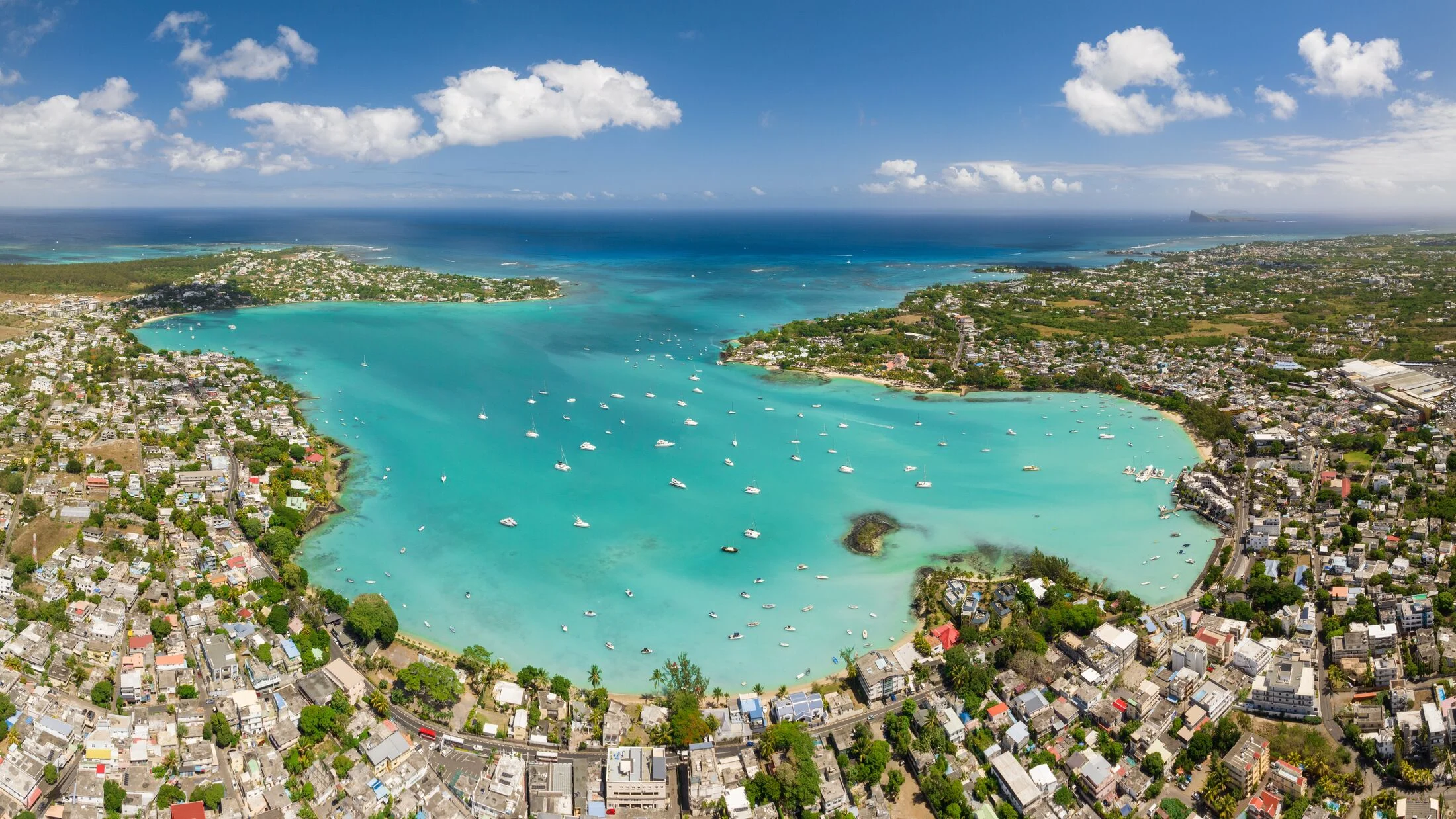
- North (Grand Baie, Pointe aux Canonniers, Mont Choisy, Trou aux Biches): calm lagoons, long beaches, the most restaurants and things to do, good shelter from the winter winds. Best all-round choice, especially for first visits and families.
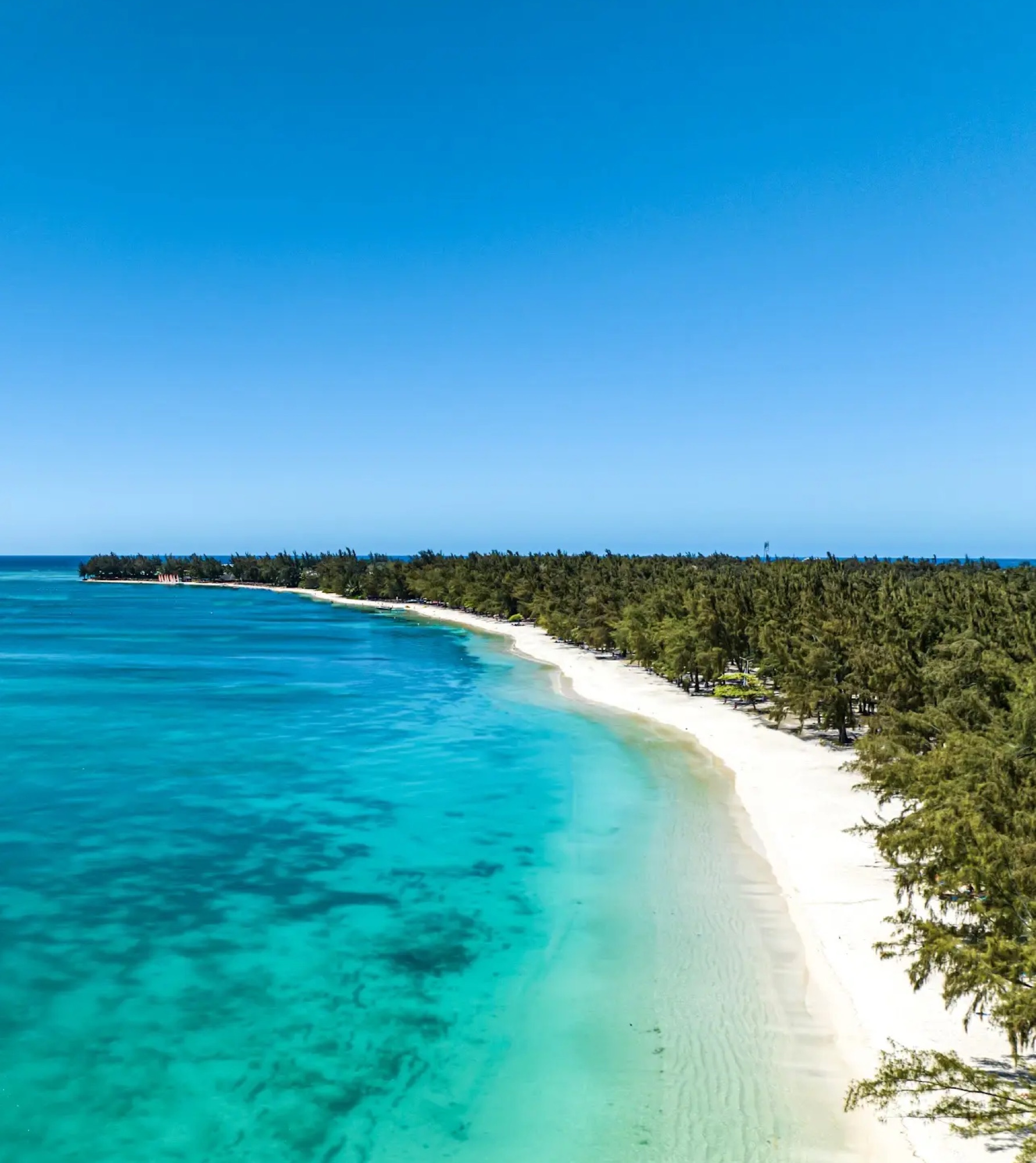
- East (Belle Mare, Trou d'Eau Douce): long white beaches and large luxury resorts, the boat trip to Île aux Cerfs. Quieter in the evenings and breezier in the winter months.
- West (Flic en Flac, Tamarin, Le Morne): sunsets, a drier climate, dolphin and whale trips from Tamarin, kitesurfing at Le Morne and hiking in the Black River Gorges.
- South (Bel Ombre, Souillac, Blue Bay in the south-east): wild and dramatic, with fewer beaches but beautiful scenery. Best for a quiet retreat: close to the airport, but a long way from the north's restaurants and boat trips.
Why we chose the north
We are biased, of course, but the north coast gives the most choice without needing to drive far. From Pointe aux Canonniers, Mont Choisy beach is a five-minute walk, Grand Baie's restaurants and boat trips are 5 to 10 minutes by car, the north's championship golf course is two minutes away, and catamaran trips to the northern islets leave nearby.
Hotel, resort or private rental?
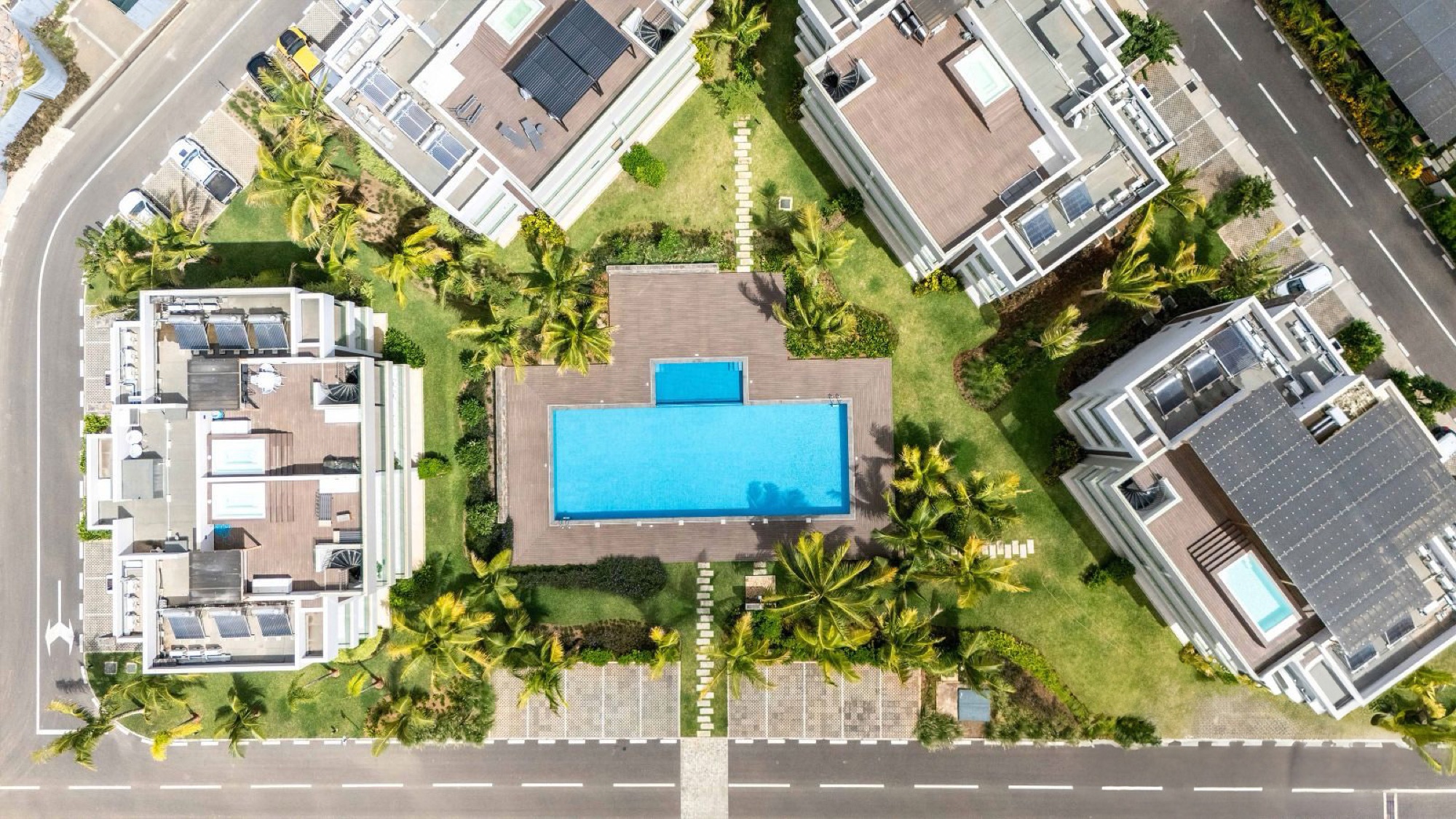
Mauritius is famous for its resorts, and they are excellent for a couple wanting everything on site. For families and groups, a private villa or penthouse often gives more space and better value: separate bedrooms, a kitchen, and your own pool. Our guide to apartments in Grand Baie explains what to look for.
When to go
- May to November: the cooler, drier season, sunny and comfortable, the best time for most trips. Whale watching runs roughly July to October.
- December to April: hot and humid summer, with warmer sea and a higher chance of heavy rain and cyclones, mostly January to March.